
6 Proven Ways to Build a Successful Team for Your Small Business

Ever made a bucket list? If you haven’t, I dare you to be bold and start one. Don’t be limited by your current situation. Take a leap of faith and just write down your crazy dreams. I have the first item on your list for you. Ready? Camping in Botswana, Africa. “Huh? What does this have to do with the business world?” I can hear you say. But stick with me, the lessons you could learn on your African expedition could help you build and manage that successful team.
Picture it, you and 3 of your best friends join a troupe of 11 other people to spend 2 nights on the Okavango Delta, traipse across the arid lands of the Kalahari and picnic on the rich soil of the Mokolodi Game Reserve in the capital city.
Let’s make your trip even more interesting. Imagine your tour guide splits you into 3 groups of 5 (each with an experienced guide of course), places a map in your hands with a huge “X marks the spot” on it and says “find this place, it has your supplies and lodging for the night. Good luck.”
With you as the navigator you walk, run and climb your way to your destination and upon arrival, find that no other team has made it yet. “YES!” your team shouts as you hi-five and fist bump each other. Exhilarated but exhausted, you anticipate fine dining and pampering and prepare to unwind. But wait. There’s a catch. Your guide hands you a note. it says: “It is the African way to exist in community, no one wins unless we all win. The first team to arrive must set up camp and provision for the rest of the troupe. The navigator shall act as team leader. All the best.” Yikes!
Where would you start? How would you plan and execute the task? How about:
- First, identify what you need to do and what tools you have to do them.
- Allocate the right people to the right tasks based on their strengths and/or personalities
- Allow for rest time which does not interfere with work time. So rotate those who work with those who rest
- Make it fun. You can compete with each other to make your job interesting.
- Encourage and motivate each other whenever needed.
- Get the job done
Whether you are setting up camp or running a business, no one can succeed alone. At some point you’re going to have to build a team for your small business needs. Why not make it a successful one? In Botswana they say “that which is held by two dogs is not hard” meaning that alone we can do little but together no task is too hard. You may have innovative business ideas and dreams, but only the right team can make them happen.
What can you learn from your imaginary trip to Botswana that will benefit your business when it comes to building a team for your small business?
1. Be Mindful

First and the foremost, when faced with any task or challenge, identify your needs. De-construct the problem into more manageable parts and ask yourself:
What needs to get done? In what order? What specialized skill do I need to get the task done? Do I already have the manpower I need or will I have to hire? How much will it cost? How much am I willing to spend? What is the payout?
The questions you can ask at this point are endless. Suffice it to say, the idea is to really familiarize yourself with what it will take to do a good job with the task at hand.
2. Be Wise

Once you have identified what skills you need, a wise business owner begins to practice the art of delegation. But you cannot delegate unless you have a team and this is where wise hiring comes into play. When you hire, check on the qualifications, work competence, growth capacity of the candidate, investigate the character of your potential employee and take note of the kind of chemistry the person will have with yourself, and the other members of your team. Take note that while qualifications, competence and capacity may be present, having an employee with a character flaw and bad chemistry with others can lead to disastrous situations. A lack in skill can be amended but a lack in character is often not worth the investment.
Listen to your gut. If your inner voice says, “No”, then do not proceed with hiring the person even if they have the right skill.
3. Be Open

On your fantasy trip to Botswana, you made your needs clear. Everyone knew what was expected of them and so they were able to go ahead with their work with minimal delays. Once you have hired the right people, share your heart with them. Be open and honest about where you are as a business and what you want to achieve. Clearly explain your goals and the tasks needed to acheive them. This makes your values and expectations clear from the outset so that anyone not fully on board has the leeway to jump ship before getting in too deep.
4. Be Handy
The camp setup challenge required additional tools. Unless you know someone with a hammer for hands, you will need to get an actual mallet to peg your tents in place. Most tasks will require additional tools to complete and there are a wide range of free and paid project management tools available. Asana, ActiveCollab, Freedcamp or Trello can make your life easier by facilitating easy communication. These tools help allocate work, set targets and follow up with the team while clearly showing an accountability ladder.
5. Be Motivating
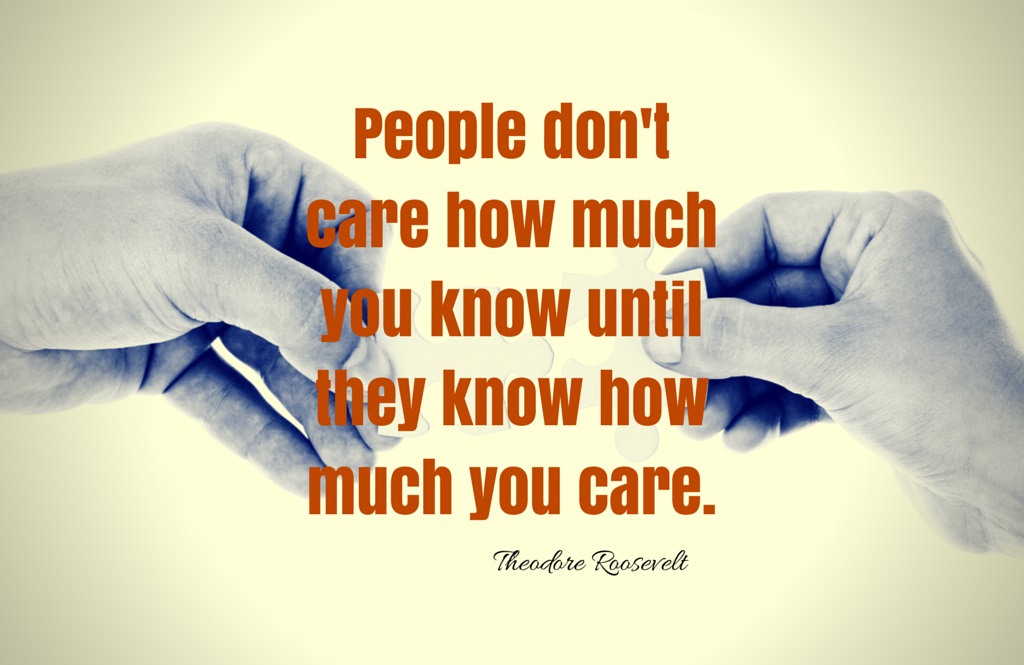
Very few people can remain actively participating in a team without motivation or encouragement. Many small business owners recruit people and fail to engage and create an emotional bond with the employee. This often leads to high staff turnover resulting in a loss of money and time invested in hiring and training. As exhausted as your make-believe African expedition team were, they buckled down and got the job done because you cheered them on, helped them when they needed it and let them rest from time to time. Likewise, a kind word, a thoughtful gesture and a listening ear may make the difference between a productive team member and a hostile employee.
People don’t care how much you know until they know how much you care – Theodore Roosevelt
6. Be Respectful
Never forget that the people you work with are just that. People. They have their own stories, struggles, dreams and desires which may have led them to help support yours. Honor their commitment by treating your employees with dignity and respect and you will encourage and build a loyal and effective team for your small business.
What are your views and experiences with building a successful team for your business? Leave them in the comments section. Don’t forget to like this post and share, share, share.


